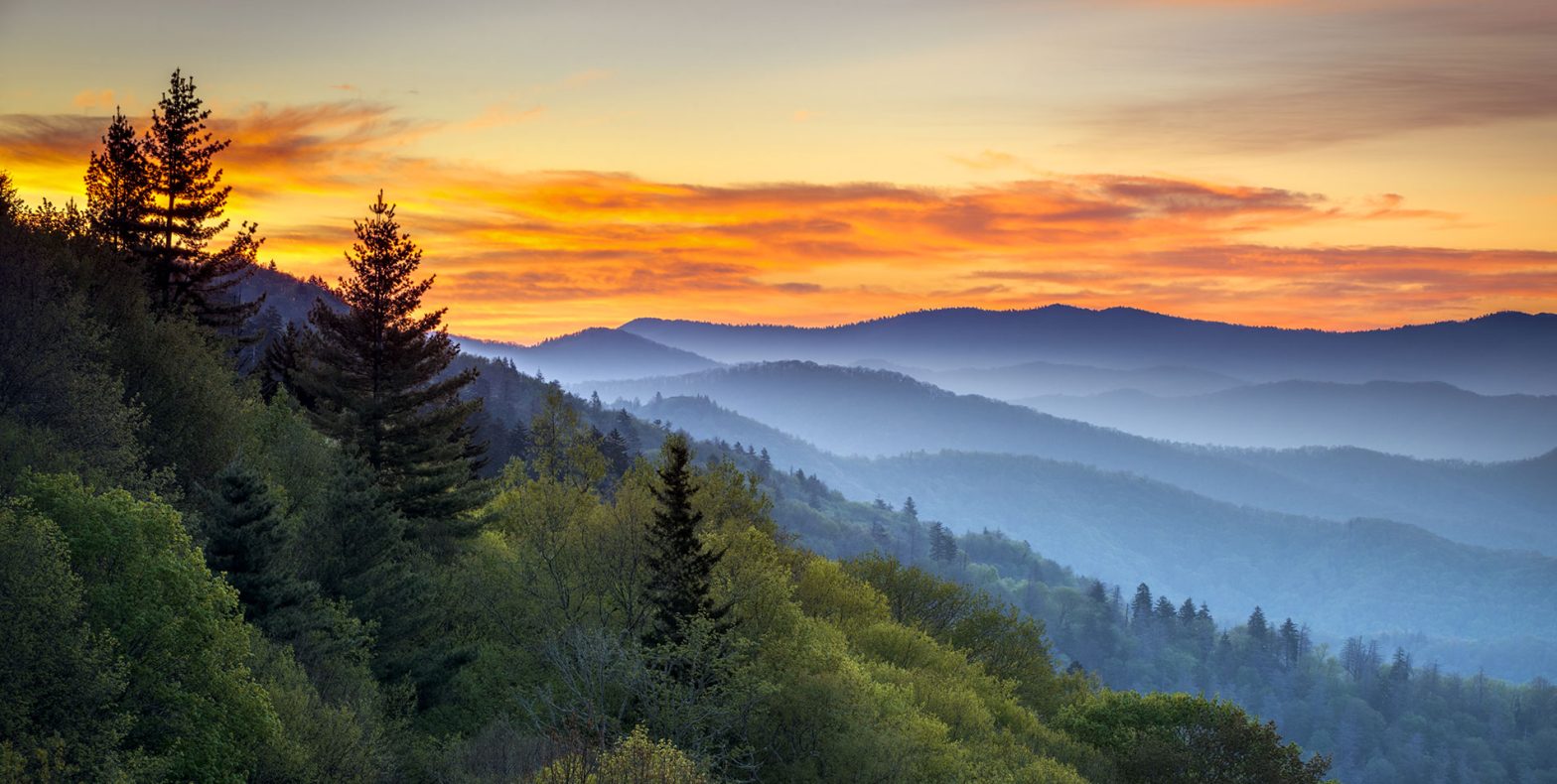
Gatlinburg sits right at the main entrance to Great Smoky Mountains National Park, and its real estate is shaped almost entirely by that fact: chalet and cabin rental property scattered through the surrounding ridges, downtown retail and hotel space packed along the Parkway, and very little land left to build on inside city limits. An owner selling here is usually cashing out appreciation the park's visitor volume created, and the exchange has to move fast given how little inventory turns over.
A Land-Constrained, Vertical Market
Gatlinburg's city limits are boxed in by national forest and park land, which means there is almost no raw land left to develop and existing buildings rarely come up for sale. That scarcity keeps prices firm even when broader hospitality demand softens, and it means a buyer identifying a Gatlinburg replacement should expect thinner comparable data than a market with ongoing new construction.
- Downtown Parkway hotel and retail frontage
- Chalet Village and ridge-top cabin rentals
- Ski Mountain Road hospitality parcels
- Glades Road arts and crafts retail
National Park Visitation Drives Everything Downstream
Great Smoky Mountains National Park is the most visited national park in the country, and Gatlinburg's economy sits directly on that traffic. That makes visitation trends, not local population growth, the number to watch when underwriting income here, and it is why a chalet rental five minutes from the park entrance commands a premium over a comparable property further out toward Pigeon Forge.
The 2016 Fire's Long Shadow on Redevelopment
Parts of the ridges above Gatlinburg were rebuilt following the 2016 wildfires, and much of that replacement housing stock is now itself investment-grade chalet and cabin rental property. Buyers evaluating a post-fire-era build should confirm current wildfire mitigation, insurance, and access-road standards, since those requirements shifted in the years after the fire and affect both financing and insurability.
Where the Identification List Usually Ends Up
Because in-town inventory is so limited, most Gatlinburg exchangers name a local chalet or Parkway property as the primary candidate and add a Pigeon Forge or Sevierville property as backup under the three-property rule, or consider a DST if they want out of hospitality management altogether. Waiting to see what comes up inside the 45 days rarely works in a market this tight.
Underwriting a Premium, Low-Supply Market
Because so little new hospitality inventory can be built inside city limits, cap rates on stabilized Gatlinburg property tend to run tighter than comparable assets in Pigeon Forge or Sevierville, and a buyer paying that premium is really underwriting the durability of national park visitation rather than local population growth. A conservative approach discounts trailing revenue for a soft visitation year before assuming it repeats, rather than underwriting straight off a peak season.
Closing on a Scarce-Inventory Asset
The qualified intermediary holds the relinquished sale proceeds throughout, and for a hospitality property the closing package should also carry booking platform accounts, management agreements, and any short-term rental or lodging permits, which transfer separately from the deed. Investors should keep the settlement statement, identification notice, and replacement closing documents together for Form 8824. None of this is tax advice, and a Gatlinburg seller should confirm the specifics with a CPA or the intermediary before signing.
Common 1031 Exchange Questions
Why is Gatlinburg replacement inventory so limited
The city is boxed in by national forest and national park land, leaving almost no room for new construction, so existing hotel, retail, and cabin properties rarely come up for sale and prices stay firm.
Does a chalet rebuilt after the 2016 fires qualify as a replacement property
Yes, as long as it is held for investment or rental use. Buyers should confirm current wildfire mitigation and insurance requirements on post-fire construction before relying on it as a 45-day identification candidate.
Can I exchange a Gatlinburg chalet for downtown Parkway retail
Yes. Both are real property held for investment or business use, so an investor can move between hospitality and retail asset types as long as the exchange runs through a qualified intermediary.
Should I widen my identification list to Pigeon Forge or Sevierville
Most Gatlinburg sellers do, given how little in-town inventory turns over, naming a Pigeon Forge or Sevierville property as a backup candidate under the three-property rule.
What happens to booking accounts and permits when a hospitality property is exchanged
Booking platform accounts, management agreements, and any lodging permits transfer separately from the deed, so those need to be confirmed and documented alongside the real estate closing itself.